
Home / Services / Protected species
Receptor sites for protected species
When reptiles, great crested newts, dormice, bats or birds are found on a site, we supply the receiving habitat your mitigation strategy needs, created and secured on land we own.
We’ll give you an answer within a day, and because species work is seasonal, the earlier you ask the better.
- Land
- Receptor sites we own
- Protection
- In perpetuity
- Habitat
- Designed for the species found
- Combined
- Species and BNG from one site
Trusted by organisations that cannot afford a scheme to fail, across government, defence, health, water, energy, transport, technology and logistics.




















When you need receptor land
When a survey finds reptiles, newts or dormice, the scheme needs a strategy, a licence and somewhere for the animals to go. The last one is usually the hardest.
Your survey found protected species
Protected species are present on or next to your red line.
You have no receptor land
Translocation needs somewhere suitable, secured and managed, and most developers have nowhere to put the animals.
Your programme cannot absorb a lost season
Species work depends on the season and on licences, so missing a window can cost a year.
You do not want the long-term liability
Receptor habitat has to be managed and monitored for years, and that obligation can sit with us.
How we fit into your strategy
Your ecologist designs the strategy and holds the licence. We supply the habitat and the long-term management that makes it deliverable.
Tell us what you found
Send us the species, approximate numbers and site location; your ecologist’s report is usually enough.
You send
We confirm the receiving habitat
We confirm whether we hold suitable land within a defensible distance or need to create it.
Existing land, or created to order
Habitat is prepared
The habitat is created to the specification your strategy requires, in time for your translocation window.
Designed for the species
We hold it long term
We manage and monitor the site and protect it in perpetuity, so it stays off your balance sheet.
Liability transferred
Securing receptor land
The usual problem
Finding land with the right habitat, secured for long enough and close enough to be defensible, once the programme is already running.
What we hold
We own land we can commit, protected permanently so the population does not lose its home when an agreement expires. Some sites supply species mitigation and biodiversity units together, and if we can’t help, you’ll know within a day.
Species we provide habitat for
From the common species found on small schemes to rare and priority species. If yours is not listed, ask.
- Reptiles
- Slow worm, common lizard, grass snake and adder, with the basking and hibernation features a translocated population needs.
- Great crested newt
- Terrestrial and aquatic habitat, whether your route is a bespoke licence or district level licensing.
- Hazel dormouse
- Licensed receptor habitat with established woodland and hedgerow connectivity.
- Bats
- Foraging and commuting habitat supporting roost mitigation strategies.
- Farmland and ground-nesting birds
- Wintering and breeding habitat for displaced populations, including brent goose and waders at our Stubbington and Chidham brent goose reserves.
- Rare invertebrates and plants
- Specialist habitat for Section 41 priority species, including Open Mosaic Habitat on Previously Developed Land.
Habitat Regulations work for major schemes
Compensation for an NSIP affecting a European site is a different problem from slow worm mitigation, so our bespoke team handles it.
What you receive
You receive everything the licence application and the authority need.
- Receptor site agreement, secured for the long term
- Habitat specification and creation plan for the species
- Management and monitoring plan for the receiving habitat
- Evidence pack supporting your licence application
- Conservation covenant or planning obligation protecting the site in perpetuity
- Direct liaison with your ecologist and the authority
What developers ask us
Do you handle the licence application?
Your ecologist normally designs the strategy and makes the application. We supply the receiving habitat and the evidence pack supporting it.
How far can a receptor site be from my development?
It depends on the species and the judgement in your strategy. Send us the location and the species and we will tell you whether what we hold is defensible.
What if you have nothing suitable nearby?
We create mitigation to order. If we do not hold suitable receptor land nearby we acquire it and create the habitat. That takes longer, so ask early.
How early should we get in touch?
While the survey results are fresh. Licence timescales are outside anyone’s control, so bringing us in early keeps the work off your critical path.
Can the same site provide our BNG units?
Often, yes. Some of our sites deliver both species mitigation and registered biodiversity units, so both obligations can be met from one site under one agreement.
What about great crested newt district level licensing?
It suits many schemes and is often the simplest route. Where it does not apply, we provide receiving habitat for a site-specific strategy.
Who to talk to
For receptor sites and species mitigation, these are the people who will handle your enquiry.
Nicole Yeomans
Director, Head of Major Infrastructure Projects
Works with promoters across roads, rail, energy and utilities on species and Habitat Regulations mitigation.
Jack Potter
Partner, Technical
Leads bespoke mitigation for major schemes, from the first call to the last monitoring report.
Projects supplying this
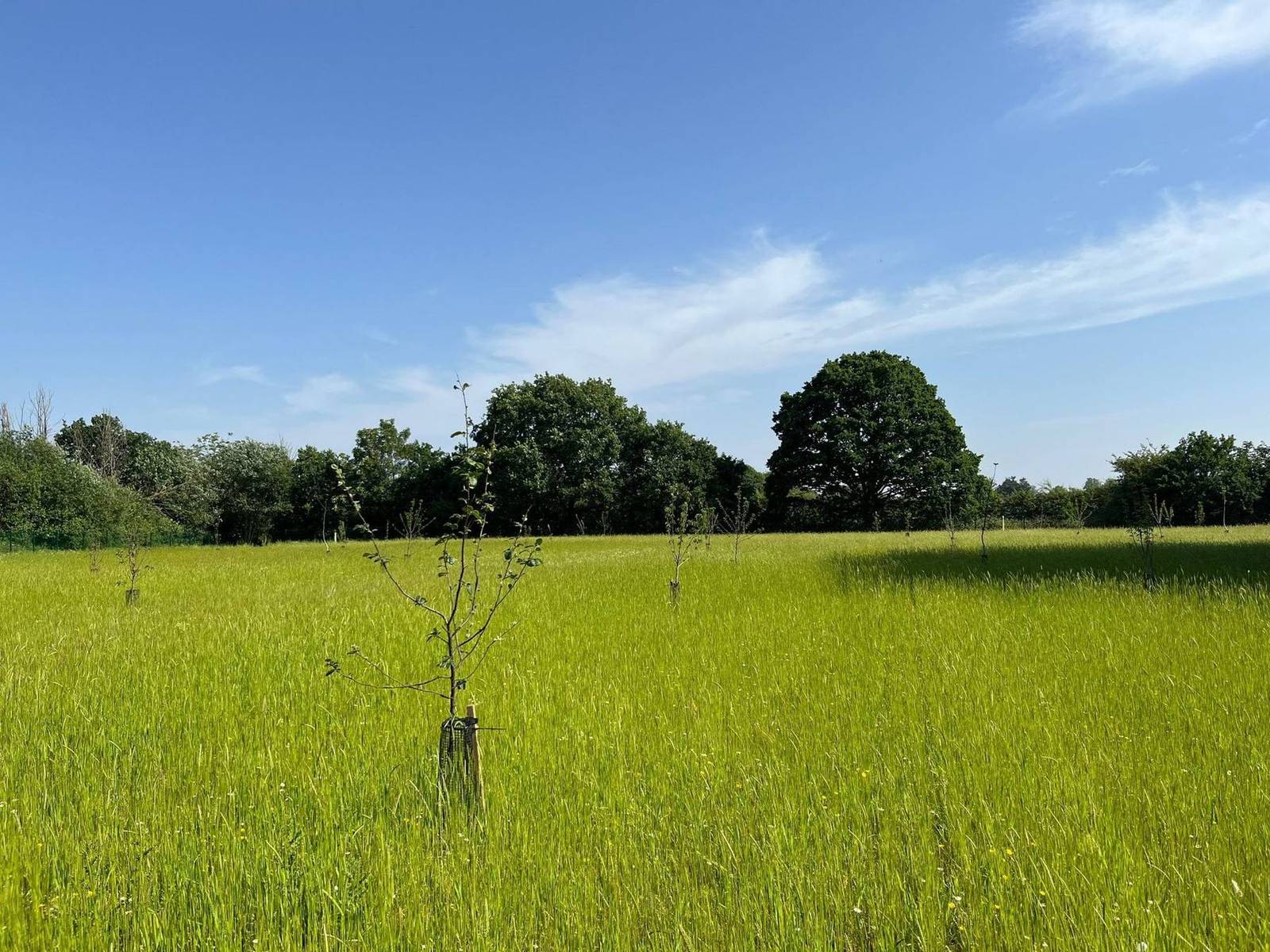
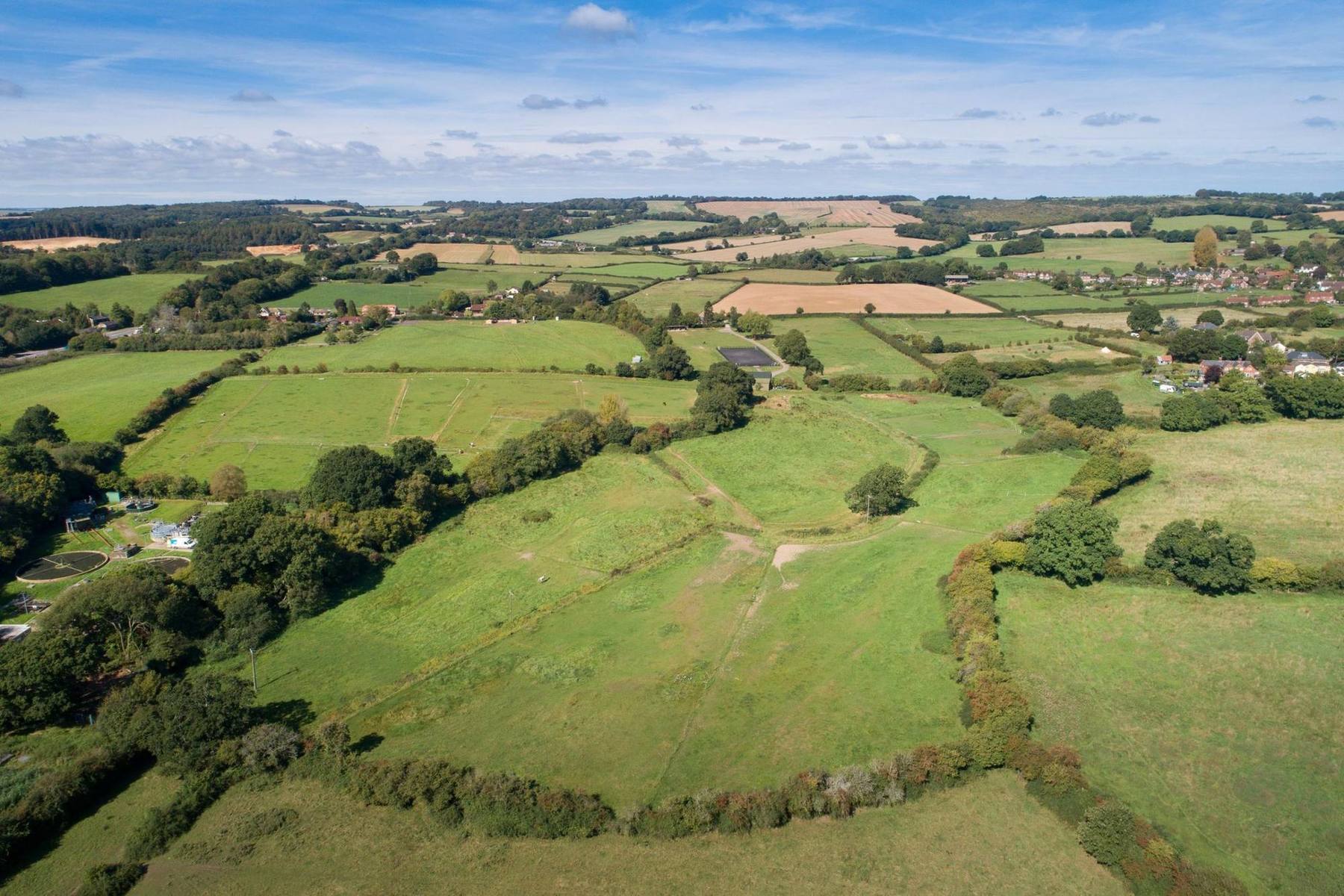
Receptor land and reserves we own and manage.
Case studies
Work we have delivered for clients with this obligation.
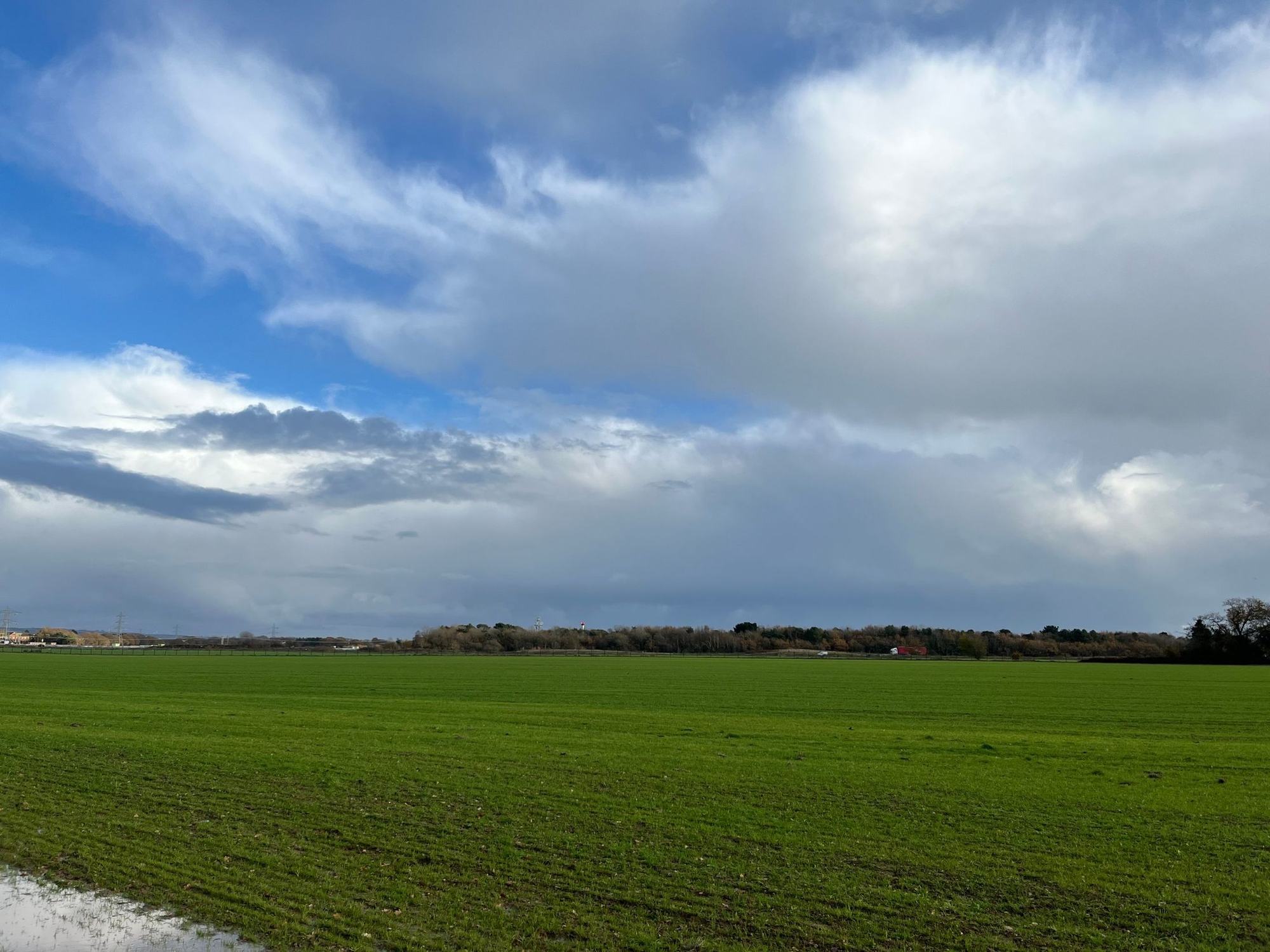

Brent goose compensation for a scheme stalled over a year
Habitat Regulations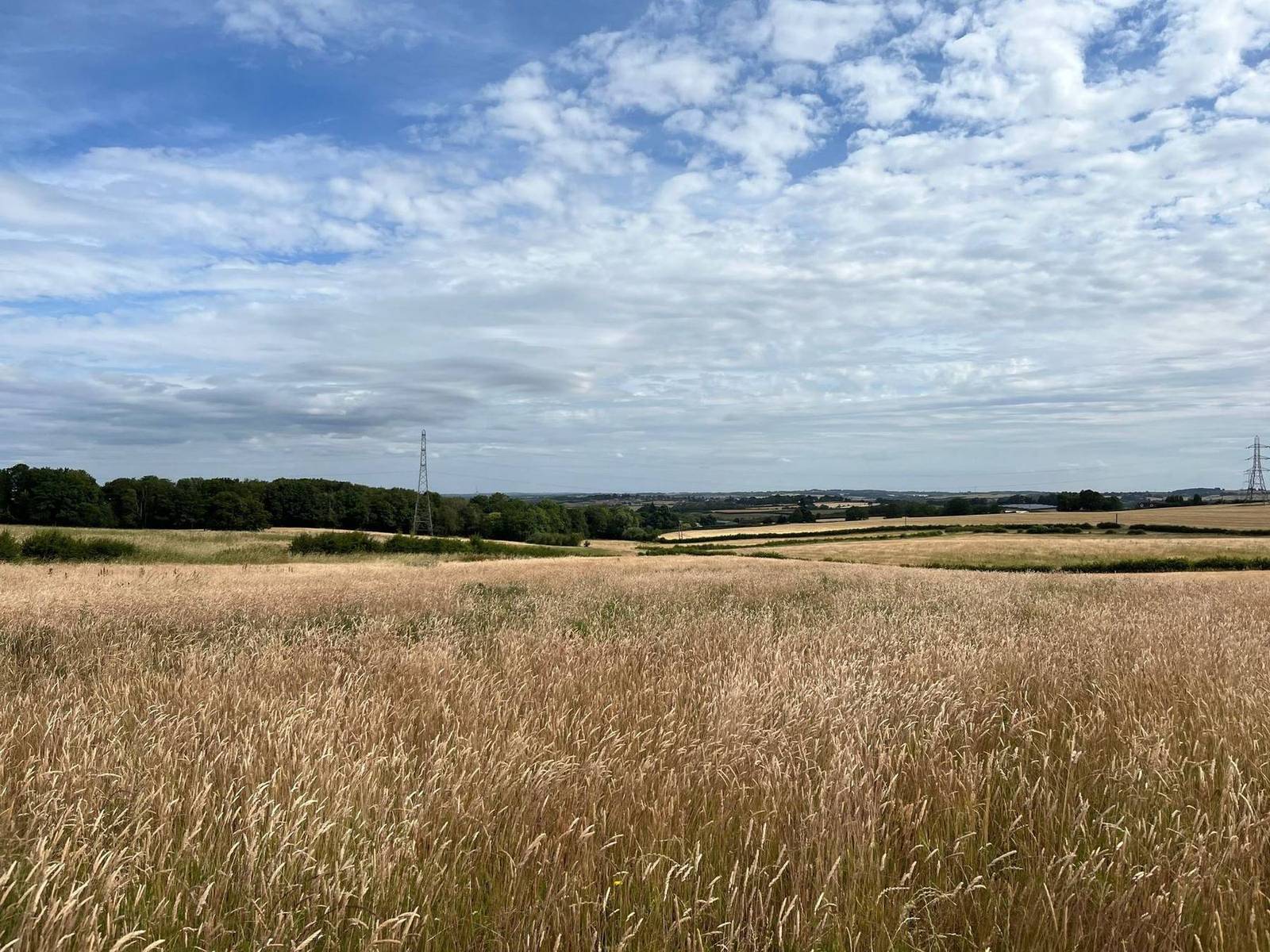

Biodiversity units and bespoke skylark mitigation on one scheme
Biodiversity, species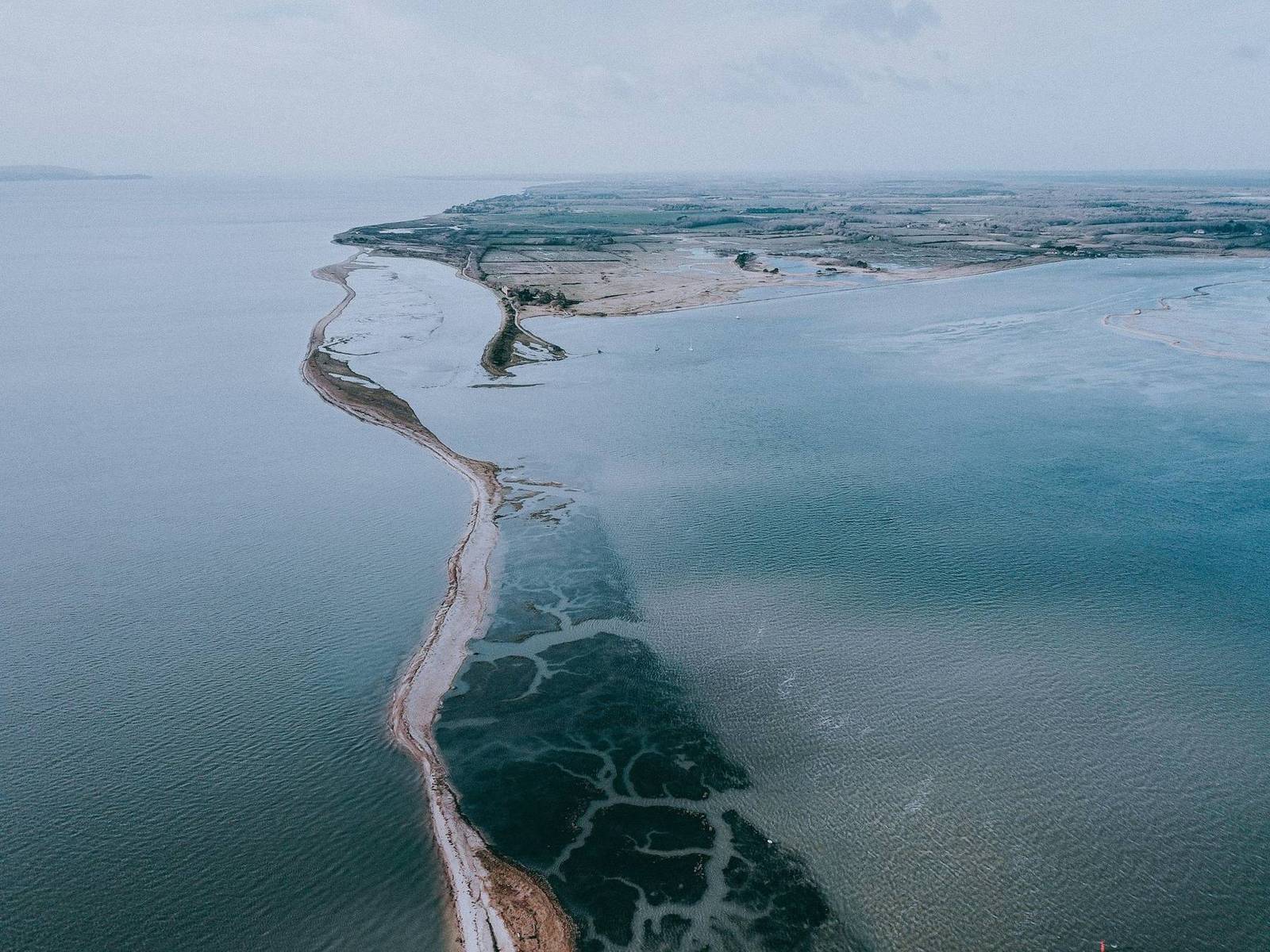

Species mitigation contract: brent goose, Solent waders and slow-worm
Habitat RegulationsWho stands behind the obligation
- The land
- We own the land freehold, with no lease and no third-party landowner.
- The covenant
- A conservation covenant or planning obligation protecting each site in perpetuity, registered against the title.
- Responsible Body
- An independent Responsible Body or the local authority can step in if we ever fail to deliver.
- The endowment
- Long-term management is funded by an endowment set aside at allocation.
- Financial strength
- We have £56.5m of capital for land and habitat, and are rated Very Low Risk with an international credit score of A. That capital lets us buy land and create habitat before your programme needs it, and fund its management for the long term.
Quotes for receptor habitat
Send us the species, approximate numbers and site location, and we’ll tell you what we hold and how quickly it can be ready.