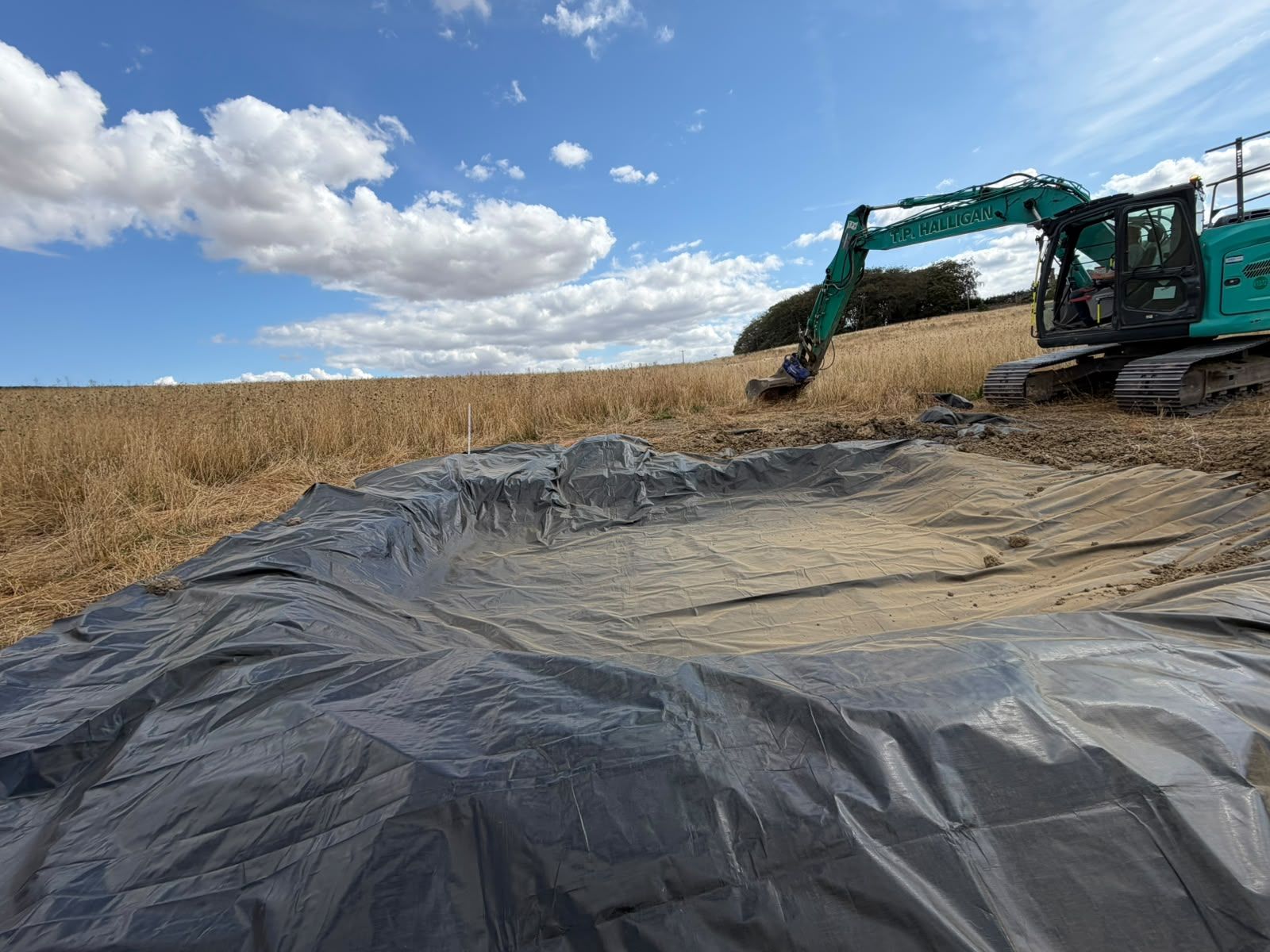
Home / Case studies / BAE Systems

Rare habitat created and registered in nine weeks
A defence programme faced a ten-week consent deadline requiring Open Mosaic Habitat on Previously Developed Land, a priority habitat with very limited supply, and no conventional route to secure it.
BAE Systems. Defence. Published with client permission.
- Start to registration
- Nine weeks
- Habitat
- OMH on PDL
- Sector
- Defence
- Obligation
- Biodiversity
The problem
The scheme required Open Mosaic Habitat on Previously Developed Land (OMH), a priority habitat with limited availability on the market. It depends on specific substrates and a pattern of disturbance that are difficult to recreate, so few habitat banks offer it and it could not be bought from existing stock.
The consent deadline was ten weeks. Conventional habitat creation timescales run to seasons, not weeks, and the alternative routes available to the programme either did not deliver the right habitat type or could not be secured in time.
With no OMH available to buy and no time to create it from scratch, we identified suitable ground, varied the registration and registered the units.
What we did
Identified existing ground with the right characteristics
Rather than starting from bare land, we looked for ground already carrying the substrate, structure and pioneer conditions that OMH depends on. That decision removed years from the timeline.
Varied the existing registration
The site was already committed to a different habitat outcome. We worked through the variation with Natural England rather than starting a fresh registration, which is the step that made nine weeks achievable.
Evidenced the habitat condition
We assembled survey and condition evidence to show the habitat met the distinctiveness and condition the metric required, before submission rather than in response to a challenge.
Registered and allocated
The units were registered on the statutory register and allocated to the scheme inside the consent window, with the documentation pack the authority required.
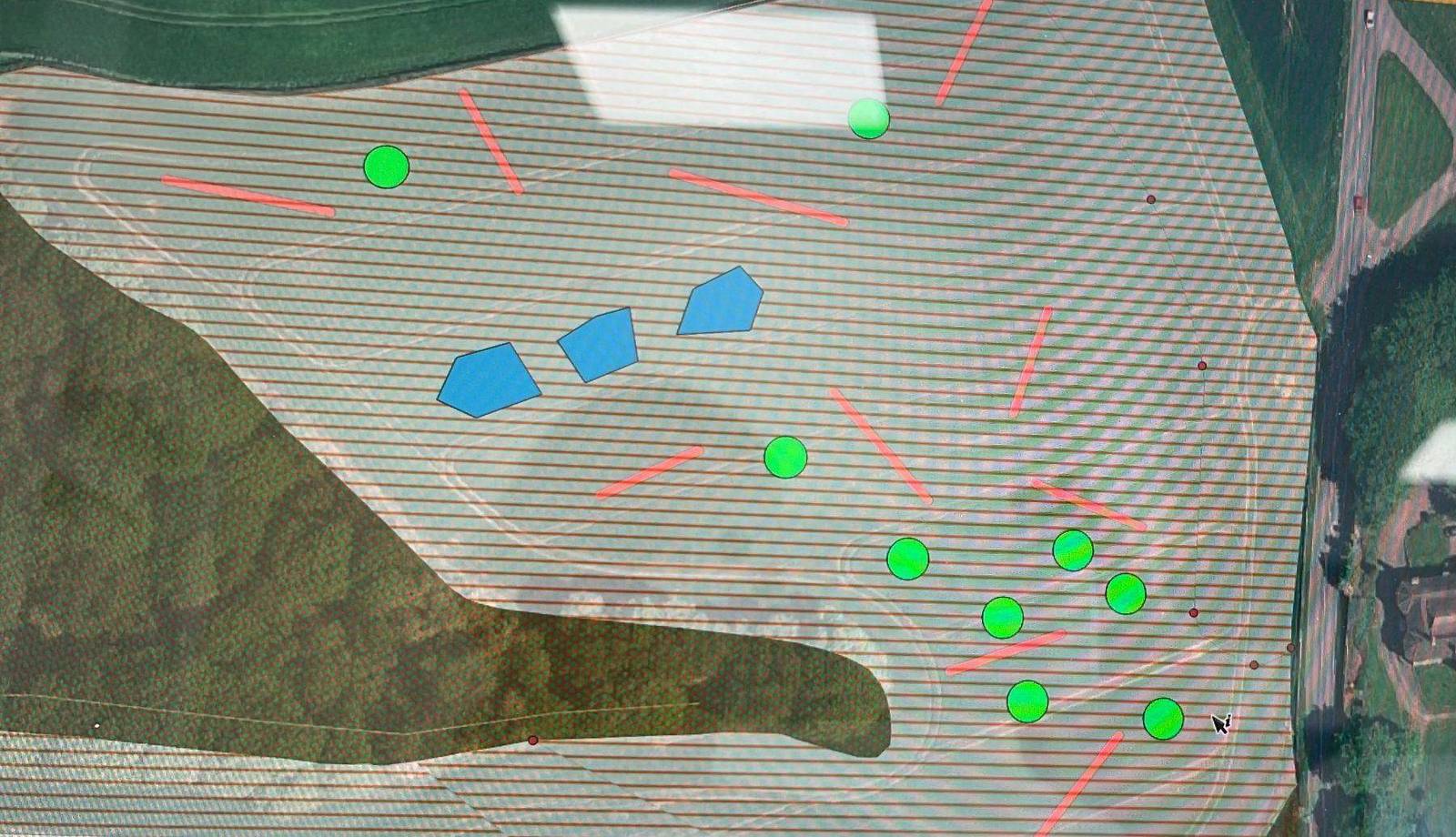
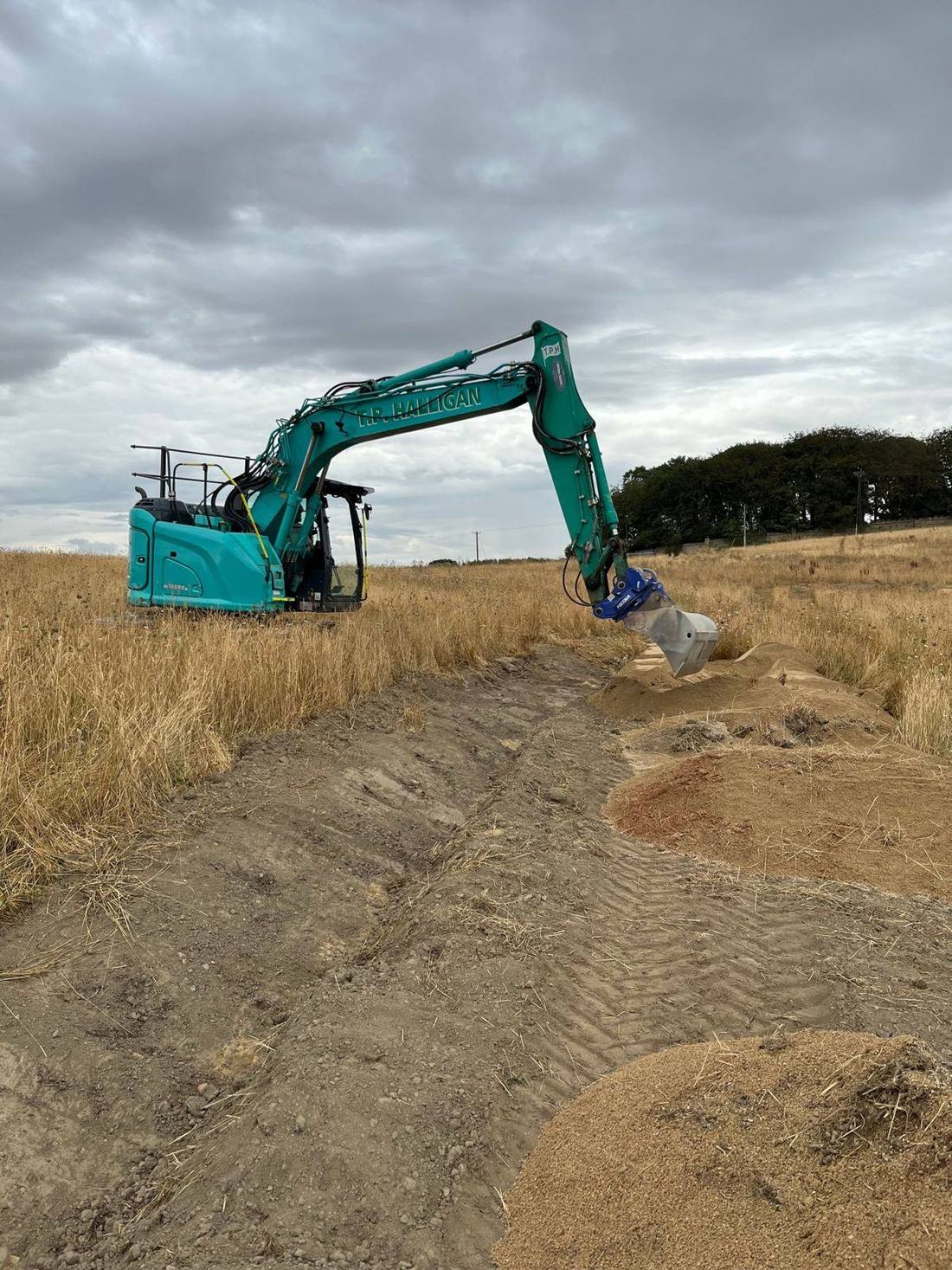
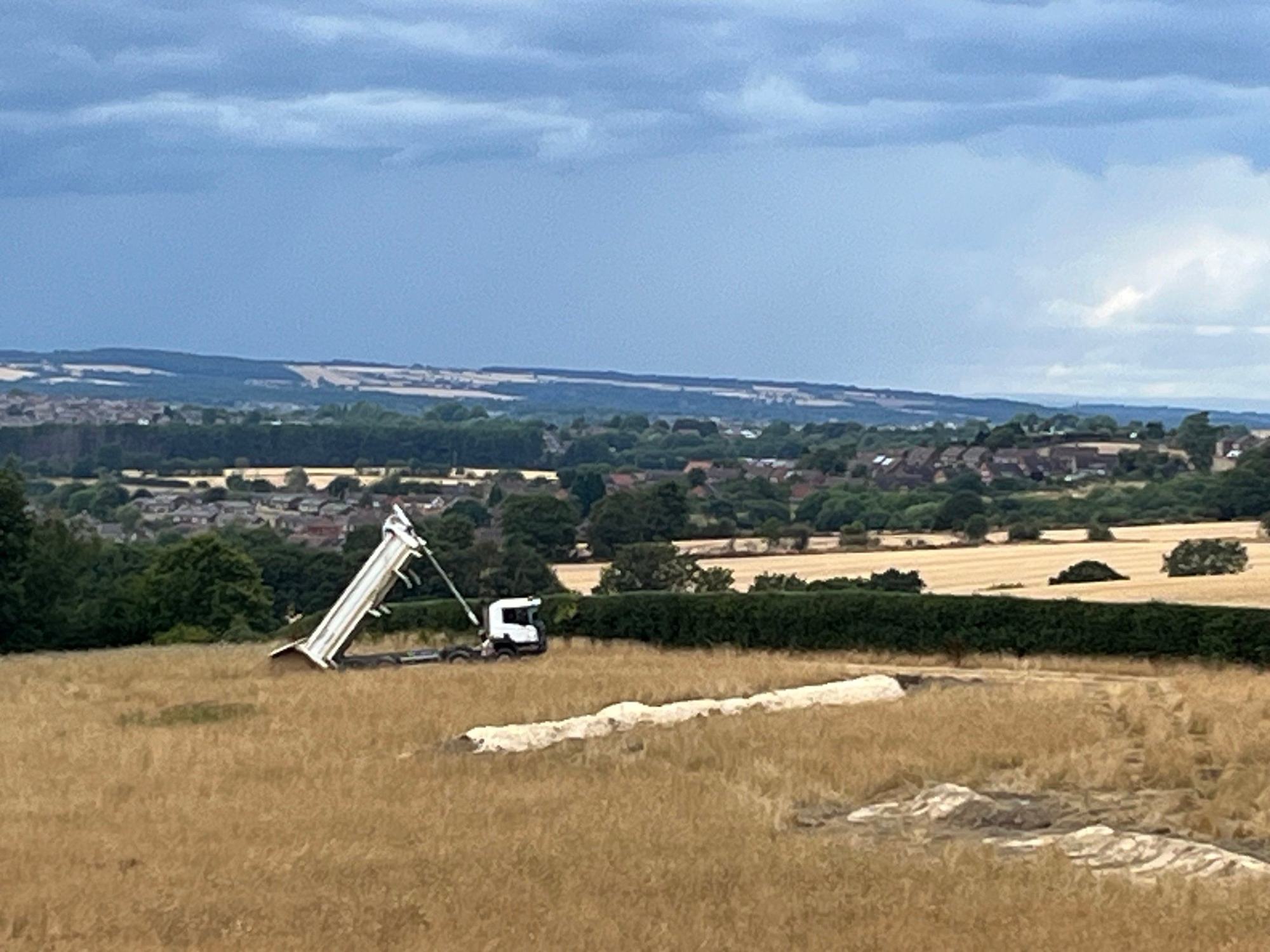
Creating OMH
OMH depends on variation: wet and dry ground, poor and rich soils, bare substrate and water within a few metres of each other.
The outcome
For the scheme
The habitat was registered and allocated within nine weeks of instruction, inside the ten-week deadline. The programme consented on time.
For good
The site remains in our ownership, protected in perpetuity, with the long-term management obligation held by us rather than by the client.
Project enquiries
Send us the species, the site, the assessment and the deadline, and we’ll reply within a day.